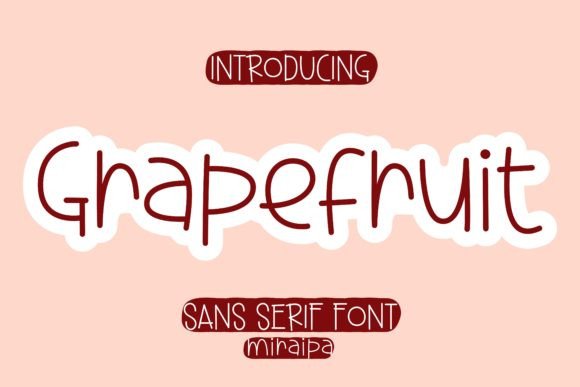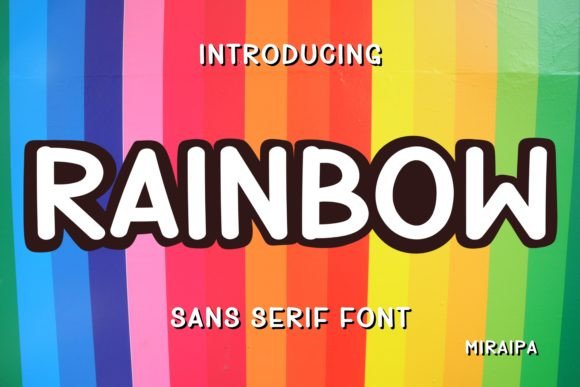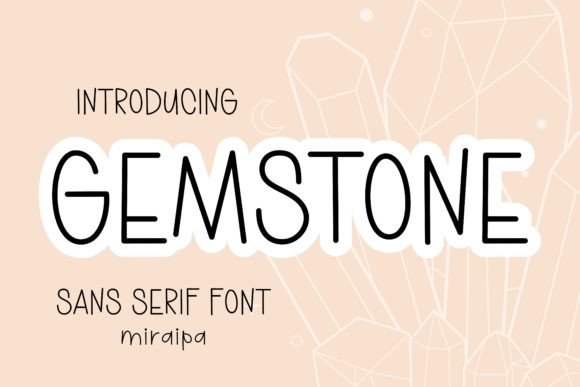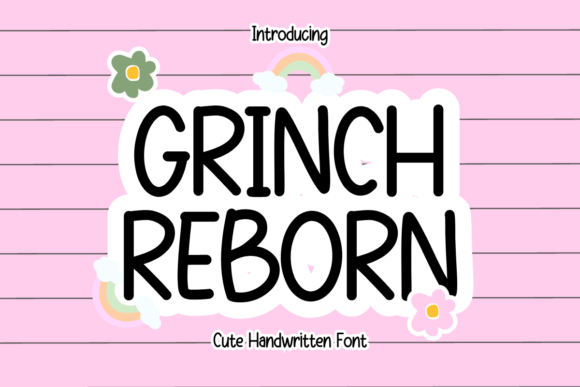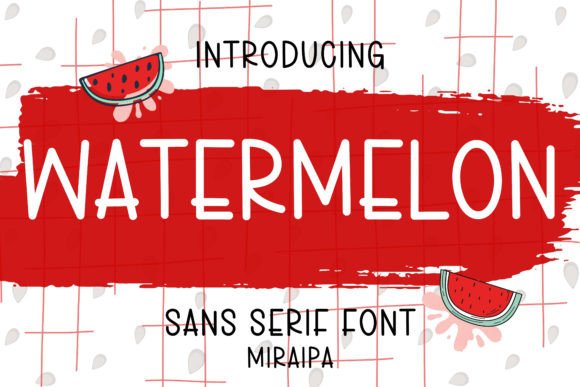
Watermelon: A Versatile Font for Creative Projects
If you're looking for a font that brings a touch of charm and personality to your design projects, Watermelon is an excellent choice. This cute and friendly sans serif font style is designed with whimsy and approachability in mind, making it perfect for a wide range of creative applications. Whether you're working on a DIY project, a greeting card, or a social media post, Watermelon can help you create something that feels warm, inviting, and just a little bit magical.
What Is Watermelon?
Watermelon is a unique typeface that combines simplicity with character. Its playful curves and rounded edges give it a soft, approachable feel, while its clean structure ensures readability even in larger sizes. Unlike many other fonts that lean heavily into one aesthetic, Watermelon strikes a balance between fun and functional, making it versatile enough to suit both casual and more polished designs.
Where Can You Use Watermelon?
The beauty of Watermelon lies in its adaptability. It’s not limited to a single use case—it can be applied across a variety of scenarios where a friendly and engaging visual style is needed. Here are some practical examples of how Watermelon can enhance your work:
- Easter Invitations: The cheerful and light tone of Watermelon makes it ideal for seasonal projects like Easter cards or party invitations.
- Back-to-School Decor: Use Watermelon for classroom signs, student schedules, or bulletin board headers to add a playful vibe to the start of the school year.
- Wedding Invitations: For a more whimsical or rustic wedding theme, Watermelon can provide a charming alternative to traditional script fonts.
- Party Decorations: From Halloween to Christmas, Watermelon can bring a fun and eye-catching element to event signage, banners, or promotional materials.
- Child-Focused Designs: Whether it's a birthday invitation, a coloring book, or a children's book cover, Watermelon adds a delightful touch that resonates with younger audiences.
- Social Media Posts: Use Watermelon to make your Instagram captions, TikTok text overlays, or Facebook graphics stand out with a friendly and modern look.
Why Choose Watermelon Over Other Fonts?
When selecting a font for your project, it's important to consider how well it aligns with your overall message and audience. Watermelon excels in situations where a lighthearted and approachable tone is desired. Compared to more formal or rigid fonts, Watermelon offers a sense of warmth and personality that can make your content feel more personal and engaging.
One of the key advantages of Watermelon is its readability. Despite its playful appearance, the font maintains clarity and legibility at various sizes, which is essential for both print and digital formats. This makes it suitable for everything from large billboards to small social media text.
Additionally, Watermelon works well in different color schemes. Its neutral base allows for easy customization, whether you're using pastel shades for a soft, dreamy look or bold colors for a more vibrant and attention-grabbing effect.
Considerations Before Using Watermelon
While Watermelon is a great choice for many projects, it's always wise to consider a few factors before finalizing your font selection:
- Intended Audience: If your project is aimed at a professional or formal setting, Watermelon may not be the best fit. However, for creative, child-friendly, or casual content, it shines.
- Readability in Different Contexts: Test how the font appears in various sizes and backgrounds. While Watermelon is generally readable, it may not perform as well in very small text or against busy backgrounds.
- Font Licensing: Always check the licensing terms for any font you plan to use, especially if you're planning to sell or distribute your design work.
- Compatibility: Ensure that the font works well across different platforms and devices, particularly if you're designing for online use.
Real-World Applications of Watermelon
Let’s take a closer look at how Watermelon has been used in real-world scenarios by designers and creators:
For instance, a local boutique might use Watermelon in their branding to create a welcoming and playful atmosphere. A teacher could incorporate it into classroom materials to make learning more engaging for young students. Even a fashion brand might use Watermelon in their social media posts to connect with a younger, more casual audience.
Another example is in the world of DIY projects. Many crafters and bloggers have shared how they use Watermelon to create custom stickers, printable templates, and handmade cards. Its versatility makes it a favorite among those who enjoy mixing creativity with practicality.
Limitations and When to Avoid Watermelon
While Watermelon is a fantastic font for many uses, there are situations where it might not be the best choice:
- Formal Documents: In professional settings such as legal contracts, business reports, or academic papers, Watermelon may come across as too casual or unprofessional.
- High-Volume Printing: If you're printing large quantities, ensure that the font is available in high-quality versions to maintain consistency and clarity across all printed materials.
- Digital Display Constraints: Some platforms or websites may not support custom fonts, so always have a backup option ready for online use.
By understanding when and how to use Watermelon, you can maximize its potential while avoiding situations where it might not serve your purpose effectively.