Advanced: A Friendly Font for Every Creative Project
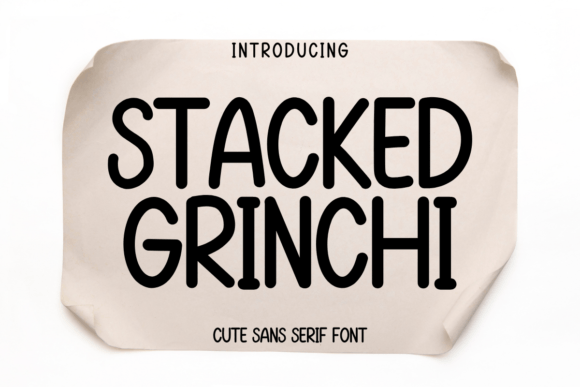
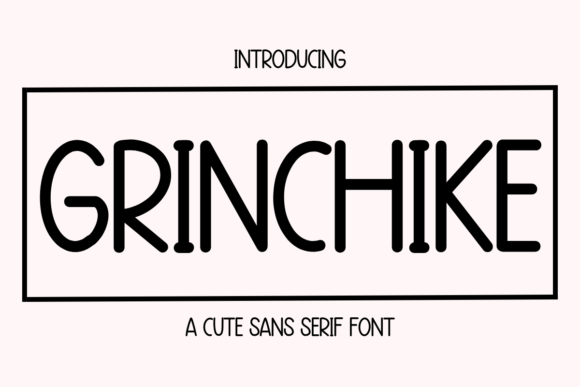
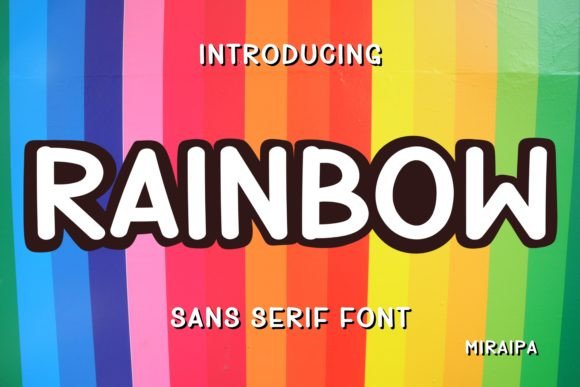
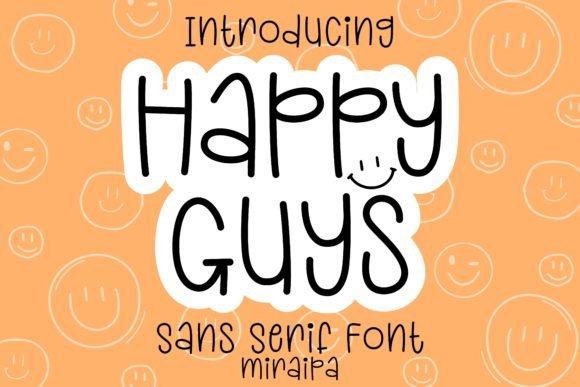
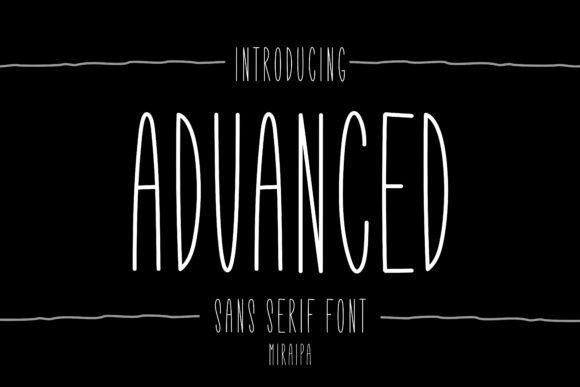
When it comes to design, the right font can make all the difference. Advanced is a unique handwritten sans serif font that brings warmth, charm, and personality to any project. Whether you're creating a personal diary planner, crafting party invitations, or designing social media graphics, Advanced offers a friendly and approachable aesthetic that feels both modern and nostalgic.
Why Choose Advanced?
Advanced is more than just a font—it’s a style statement. Its cute and friendly appearance makes it ideal for projects that require a personal touch. From Easter cards to holiday posters, this font adds a sense of playfulness and creativity without overwhelming the design. It's especially popular among those who enjoy DIY projects, as it can elevate handmade items with a polished look.
For educators and bloggers, Advanced can be used in classroom materials, blog headers, or promotional content to create a welcoming and engaging atmosphere. Small business owners and entrepreneurs also find value in using it for branding elements like logos, packaging, or website headers. The versatility of Advanced makes it a go-to choice for anyone looking to add a friendly flair to their work.
Common Mistakes When Using Advanced
While Advanced is a great font, there are some common mistakes people make when choosing and using it. One of the most frequent errors is assuming that because it's a handwritten font, it will automatically fit every design. In reality, Advanced works best in certain contexts and may not be suitable for all types of content.
Another mistake is using Advanced in large quantities without considering readability. Since it's a stylized font, it can become difficult to read at smaller sizes or when used in long paragraphs. This can lead to confusion or misinterpretation of the message, especially in professional or formal settings.
Some users also overlook the importance of pairing Advanced with complementary fonts. While the font itself is charming, it should not be the only typeface in a design. Combining it with a clean, readable font for body text ensures that the overall design remains balanced and functional.
How These Mistakes Affect Your Work
Making these mistakes can have several negative effects on your projects. For instance, using Advanced inappropriately can reduce the professionalism of your work, especially if it's intended for a more formal audience. Poor readability can also lead to frustration for viewers, which may impact engagement or communication effectiveness.
In addition, mismatched typography can create a disjointed visual experience. If your design relies heavily on Advanced without proper support from other fonts, it may appear cluttered or unorganized. This can ultimately affect the quality of your output and the satisfaction of your audience.
How to Avoid These Mistakes
Fortunately, there are simple steps you can take to ensure that Advanced enhances rather than hinders your designs. First, always consider the purpose and audience of your project. If you're creating something for children or a casual event, Advanced is a perfect fit. However, for more serious or professional applications, it's better to use a different font.
Second, test Advanced in different sizes and formats before finalizing your design. Try using it in headings, subheadings, and even small text snippets to see how it performs. If it becomes hard to read at smaller sizes, consider adjusting the font size or pairing it with a more legible font for body text.
Finally, don’t hesitate to experiment with different combinations. Pairing Advanced with a sans-serif or serif font can create a visually appealing contrast while maintaining readability. This approach allows you to leverage the charm of Advanced without compromising clarity.
What to Check Before Using Advanced
Before incorporating Advanced into your projects, there are a few key things to keep in mind. First, verify that the font is available in the format you need—whether it's web-safe, OTF, TTF, or WOFF. Some fonts may require additional setup or licensing, so it's important to understand the terms of use.
Next, check the character set. Advanced may not include all the characters needed for certain languages or special symbols. If your project requires specific characters, make sure the font supports them or consider using an alternative.
Lastly, review the license agreement. Some fonts are free for personal use but require payment for commercial projects. Understanding the restrictions and requirements helps you avoid legal issues and ensures that you’re using the font responsibly.
Conclusion
Advanced is a wonderful font that can bring life and personality to a wide range of creative projects. By understanding its strengths and limitations, you can use it effectively without falling into common pitfalls. With a little thought and planning, Advanced can become a valuable tool in your design toolkit, helping you create beautiful, engaging, and meaningful work.